Does Hypnosis Really Work? (Science & Real Results)
Yes, clinical hypnosis is a scientifically validated therapeutic tool. Research shows it effectively treats anxiety, chronic pain, and behavioral habits by bypassing the conscious mind to access the subconscious. While not "magic," it is a highly successful clinical method when practiced by trained professionals to create lasting cognitive and behavioral changes.
What is the science behind hypnotherapy?
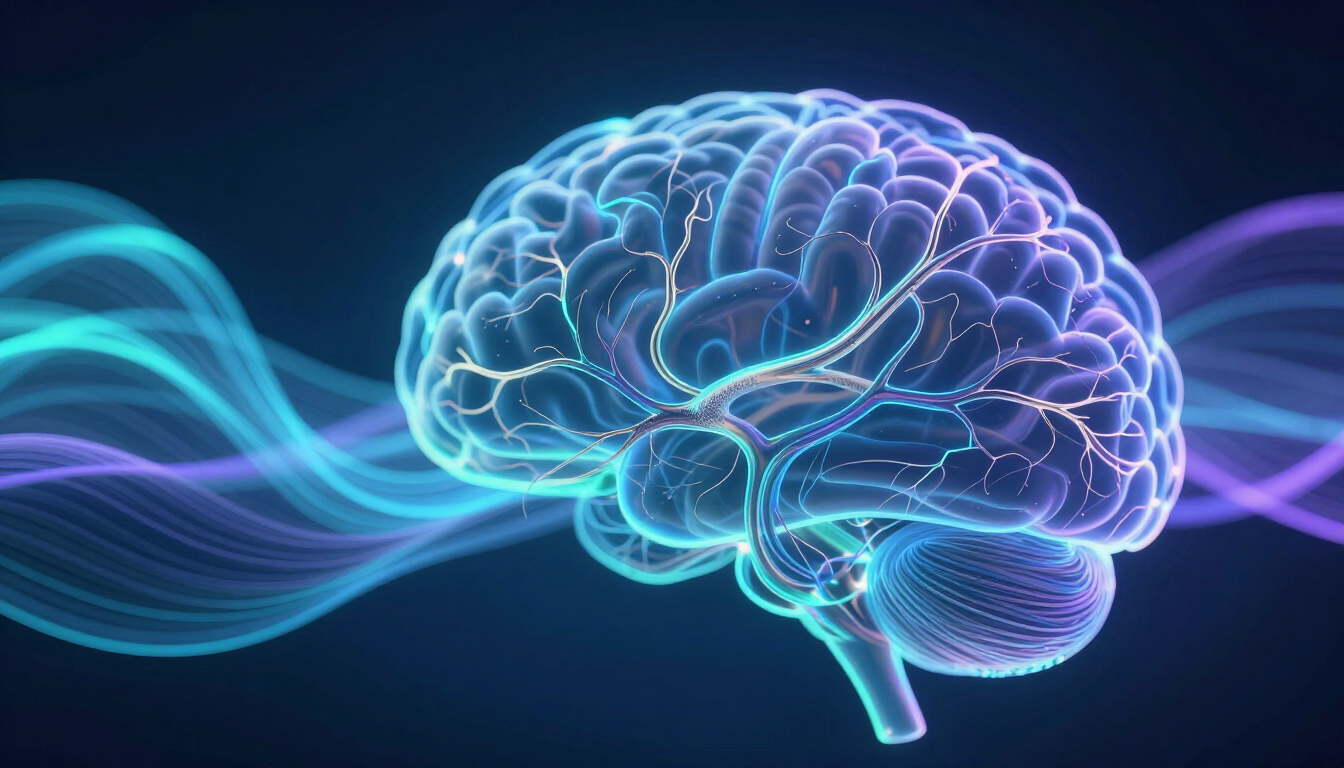
To understand if hypnosis really works, we must look at the neurology of the human brain. Modern neuroscience, utilizing functional Magnetic Resonance Imaging (fMRI), has shown that during a hypnotic state, the brain undergoes distinct changes. Specifically, there is a decrease in activity in the dorsal anterior cingulate cortex, which is part of the brain's salience network. This allows an individual to become so deeply focused that they can ignore external distractions.
Furthermore, hypnosis facilitates an increase in connectivity between the prefrontal cortex (the thinking brain) and the insula (the brain-body connection). This unique state of heightened suggestibility and focused attention allows the therapist to suggest new ways of thinking or reacting to a client's subconscious mind. Unlike normal waking consciousness, the "Critical Factor" of the mind is temporarily set aside, allowing for the re-evaluation of deep-seated beliefs and patterns.
At Eudiamonia Hypnosis , we utilize these scientific principles to help clients in Atlanta achieve profound shifts. By working with the brain's natural plasticity, we can help rewire responses to stress, fear, and cravings. This isn't about "losing control"; it's about gaining a more refined level of control over your own mental processes.

Key clinical benefits of hypnosis
Clinical hypnosis is widely recognized by organizations such as the American Psychological Association (APA) and the British Medical Association. Its applications are broad, ranging from mental health to physical recovery. Because the subconscious mind governs about 95% of our daily actions and emotions, addressing issues at this level is often more efficient than traditional talk therapy alone.
Some of the most well-documented benefits include:
- Anxiety and Stress Reduction: Lowering the baseline of the nervous system and re-patterning the fight-or-flight response.
- Smoking Cessation and Addiction: Breaking the psychological link between triggers and the substance or habit.
- Overcoming Imposter Syndrome: Rebuilding self-esteem by addressing the root causes of self-doubt in the subconscious.
- Chronic Pain Management: Altering the way the brain interprets pain signals for better quality of life.
- Sleep Improvement: Training the mind to enter a state of deep relaxation necessary for restorative rest.
These benefits are not just anecdotal. Meta-analyses of dozens of studies have shown that when hypnosis is added to Cognitive Behavioral Therapy (CBT), outcomes for weight loss and anxiety treatment improve significantly. You can see how these results manifest in our Testimonials & Results section.
Does hypnosis really work for anxiety relief?
Anxiety is perhaps the most common reason clients seek our Services . For many, anxiety feels like a loop of intrusive thoughts that cannot be stopped by logic. This is because anxiety is an emotional and physiological response, not just a logical one. Hypnosis works for anxiety because it addresses the emotional root directly.
During a session, we help the client enter a state of profound relaxation where the nervous system can finally reset. In this state, we introduce "anchors"—physical or mental triggers that the client can use in their daily life in Atlanta to immediately regain a sense of calm. Instead of just talking about the anxiety, we are retraining the brain to choose peace over panic.
Research from Stanford University has highlighted that people with high hypnotizability have a different functional connectivity between the executive control network and the salience network. This means that for many, hypnosis is the fastest path to calming a hyper-active alarm system in the brain. Whether it's social anxiety, phobias, or general unease, the evidence points toward hypnotherapy as a premiere solution.

Modern clinical hypnosis vs. stage shows
One of the biggest hurdles to understanding if hypnosis works is the prevalence of "stage hypnosis." It is important to distinguish between entertainment and therapy. In a stage show, the goal is to entertain an audience using volunteers who are often naturally extroverted and willing to play along. In a clinical setting, the goal is your personal empowerment and healing.
In clinical hypnotherapy:
- You are always in control: You cannot be made to do anything against your will or moral code.
- You are not asleep: You are in a state of hyper-awareness and focused concentration.
- You remember the session: Most clients remember everything that was said during the process.
- It is a partnership: The therapist acts as a guide, but the change comes from your own mind.
- Professional standards apply: We operate with the highest ethical standards to ensure client safety.
By demystifying the process, we help our clients feel comfortable and ready to engage with their subconscious. If you're curious about the people behind the practice, you can learn more About our team and our mission to provide effective mental health support in Atlanta.
Who can benefit from therapeutic hypnosis?
Virtually anyone with an open mind and a desire for change can benefit from this practice. While hypnotizability varies from person to person, nearly everyone can enter at least a light to medium trance, which is sufficient for most therapeutic work. It is particularly effective for those who feel "stuck" despite having tried other forms of therapy or self-help.
Individuals struggling with the following often find great relief:
- High-functioning professionals dealing with burnout or imposter syndrome.
- Athletes looking to improve their mental game and focus.
- Students experiencing test anxiety or memory blocks.
- Individuals struggling with long-term habits like nail-biting or emotional eating.
- Those dealing with the emotional weight of grief or past trauma.
If you find yourself saying, "I know what I should do, but I just can't make myself do it," hypnosis is likely the missing piece. It bridges the gap between knowing (the conscious mind) and doing (the subconscious mind).
Preparing for your first session in Atlanta
Entering your first session with the right mindset can enhance your results. We recommend coming in with a clear goal or a specific issue you want to resolve. It's helpful to be well-rested and to avoid excessive caffeine immediately before your appointment. The more you can allow yourself to simply "let go" and follow the instructions, the more profound the experience will be.
At Eudiamonia Hypnosis, we begin with a thorough consultation to understand your history and what you hope to achieve. This collaborative approach ensures that the suggestions used during the session are tailored specifically to your values and desires. We invite you to Contact Us to discuss how we can tailor a program for your specific needs.
Summary of Key Takeaways
- Scientifically Proven: fMRI studies confirm hypnosis changes brain activity to allow for deep focus and change.
- Broad Applications: Effective for anxiety, addiction, pain, and self-esteem issues.
- Safe and Controlled: You remain in total control and aware throughout the therapeutic process.
- Subconscious Focus: It addresses the 95% of your mind that governs habits and emotions.
- Atlanta Focused: Eudiamonia Hypnosis provides specialized, professional care for local clients.
Hypnosis is not a magic wand, but it is one of the most powerful tools available for mental and emotional transformation. By aligning your subconscious drives with your conscious goals, you can finally break free from old patterns and create the life you desire. If you are ready to take that next step, Home is where your journey toward a better mind begins.