Does Hypnosis Really Work? The Scientific Evidence
Yes, hypnosis really works. It is a scientifically recognized clinical technique that uses guided relaxation and focused attention to achieve a state of heightened suggestibility. Peer-reviewed research confirms its efficacy in treating chronic pain, anxiety, and behavioral changes by modulating specific neural pathways in the brain to facilitate healing.
Does hypnosis really work?
For many, the word "hypnosis" conjures images of stage performers making people cluck like chickens. However, in a clinical setting, the answer to "does hypnosis really work?" is a resounding yes. Clinical hypnotherapy is a legitimate therapeutic tool used by medical and psychological professionals worldwide to address a variety of conditions. Unlike stage acts, therapeutic hypnosis is a collaborative process where the client remains in control, using the power of their own mind to reach specific health and wellness goals.
The effectiveness of hypnosis is not just anecdotal. Over the last several decades, thousands of peer-reviewed studies have documented the success of hypnotherapy in treating everything from irritable bowel syndrome (IBS) to severe post-traumatic stress disorder (PTSD). At Eudiamonia Hypnosis , we focus on applying these evidence-based techniques to help clients in Atlanta overcome internal barriers and achieve lasting change.
The validation of clinical practice
Major medical organizations have long recognized the validity of hypnosis. The American Psychological Association (APA) and the British Medical Association have both issued statements supporting hypnotherapy as a viable treatment for various psychological and physical ailments. This recognition is based on the ability of hypnosis to reach the subconscious mind, where deeply ingrained habits and emotional responses reside, allowing for more efficient processing than traditional talk therapy alone.
The Science of How Hypnosis Works
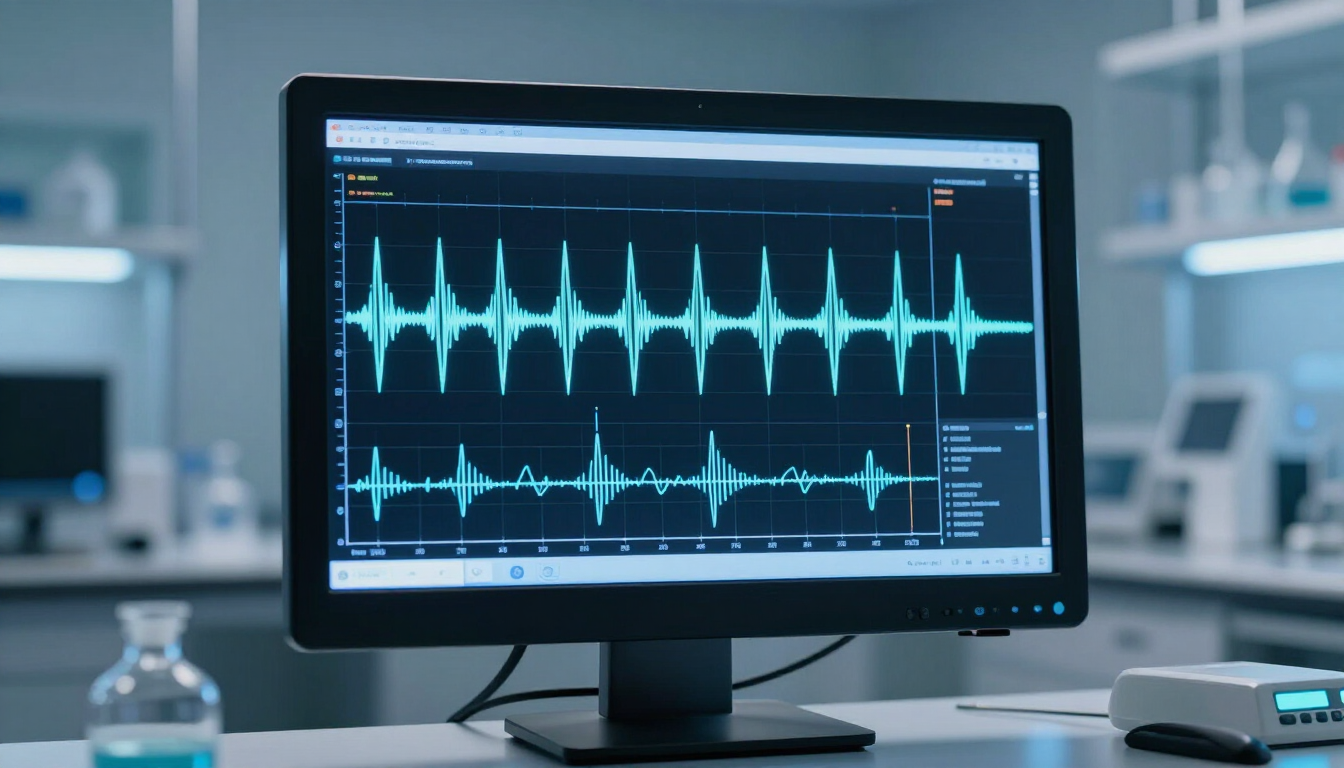
To understand why hypnosis is effective, we must look at the physiological changes that occur during a session. When a person enters a hypnotic state, their brain waves shift from the active Beta state to the more relaxed Alpha and Theta states. These states are associated with creativity, deep learning, and the processing of subconscious information.
During this shift, the brain becomes more receptive to positive suggestions. This isn't "mind control"; rather, it is a state of hyper-focus that allows a person to bypass the critical, analytical part of their conscious mind. This allows new, healthier patterns of thought to be established without the constant interference of the "inner critic."
Key neurological components
- The Prefrontal Cortex: This area handles executive function and judgment. During hypnosis, its activity is modulated, allowing the person to suspend disbelief and focus entirely on the therapeutic suggestions.
- The Anterior Cingulate Cortex: Involved in emotional regulation and pain processing. Hypnosis has been shown to decrease activity here, explaining its effectiveness in pain management.
- The Default Mode Network: This network is active when we are daydreaming or thinking about ourselves. Hypnosis can help "quiet" this network, reducing the rumination often found in anxiety.
What happens to your brain during hypnosis?
Researchers at Stanford University have used functional MRI (fMRI) scans to observe the brain in real-time during hypnosis. Their findings were groundbreaking, showing three distinct changes in brain activity that do not occur in a normal resting state or during simple relaxation. These changes provide the foundation for the hypnosis scientific evidence that skeptics often demand.
First, there is a decrease in activity in the dorsal anterior cingulate, which is part of the brain's salience network. This allows the individual to be less distracted by their surroundings. Second, there is an increase in connectivity between the prefrontal cortex and the insula, which helps the brain connect the mind to the body’s physiological functions. Finally, there is a decrease in connectivity between the prefrontal cortex and the default mode network, which likely represents the disconnection between a person's actions and their self-consciousness.
Benefits of neurological shifting
- Increased ability to manage autonomic nervous system responses.
- Enhanced control over physical sensations like pain or tension.
- Improved emotional regulation through the modulation of the limbic system.
- Faster processing of traumatic memories or phobias.
- Stronger reinforcement of new, positive behavioral habits.
Is there scientific evidence for hypnotherapy?
Yes, the body of hypnosis scientific evidence is vast and growing. One of the most cited studies in recent years, published in The Lancet , highlighted the effectiveness of hypnosis in reducing pain and anxiety in surgical patients. The study found that patients who received hypnosis required less sedation, reported lower pain levels, and had shorter recovery times compared to those who received standard care.
Furthermore, research published in the Journal of Clinical Psychology suggests that when hypnotherapy is added to Cognitive Behavioral Therapy (CBT), the outcomes for weight loss and anxiety reduction are significantly improved. This synergistic effect demonstrates that hypnosis is not just a standalone miracle cure, but a powerful accelerant for psychological healing.

Clinical Applications of Hypnotherapy
Because hypnosis works at the intersection of the mind and body, its applications are incredibly broad. Professionals use it to treat both clinical diagnoses and general lifestyle improvements. At our Atlanta practice , we see firsthand how these techniques translate from clinical studies into real-world results.
Common conditions treated with hypnosis
- Chronic pain management and fibromyalgia.
- Smoking cessation and other addictive behaviors.
- Gastrointestinal disorders like IBS.
- Public speaking anxiety and performance blocks.
- Insomnia and sleep-related disturbances.
Can hypnosis help with anxiety and depression?
Anxiety and depression often stem from subconscious loops—automatic thoughts that tell us we are in danger or that things will never improve. Hypnosis for anxiety works by interrupting these automatic loops. By accessing the subconscious, a hypnotherapist can help a client replace "threat" signals with "safety" signals, effectively retraining the nervous system.
In cases of depression, hypnosis can be used to uncover the root causes of low self-esteem or hopelessness. It helps the client visualize a more positive future and reinforces the small, daily wins necessary for recovery. While it is often used in conjunction with other treatments, the speed at which hypnosis can provide symptom relief is a major draw for those struggling with mental health.
Why it works for emotional distress
- It lowers cortisol levels, the body's primary stress hormone.
- It builds a "relaxation response" that can be triggered in real-world situations.
- It addresses the "imposter syndrome" by reframing self-identity.
- It provides a safe space to process suppressed emotions without overwhelm.
- It empowers the client with self-regulation tools they can use at home.
Common Myths vs. Scientific Reality
Despite the overwhelming evidence, myths about hypnosis persist. These misconceptions often prevent people from seeking the help they need. Let's look at the science versus the fiction.
Myth: You can be forced to do something against your will. Reality: You remain fully aware and in control. If a suggestion contradicts your values, your mind will simply reject it and you may even emerge from the hypnotic state.
Myth: Hypnosis is just like sleep. Reality: It is a state of active, focused attention. Brain scans show that a hypnotized brain is very different from a sleeping brain; it is actually highly alert and engaged.
Myth: Only "weak-minded" people can be hypnotized. Reality: Research shows that people with high intelligence and the ability to focus are actually the best candidates for hypnosis. It requires mental discipline, not weakness.

Summary of Scientific Findings
In conclusion, the question of "does hypnosis really work?" has been answered by decades of neurological research and clinical trials. Hypnosis is a functional tool that changes how the brain processes information, manages pain, and regulates emotion. It is a safe, non-invasive, and highly effective way to address the subconscious roots of many modern health challenges.
If you are ready to experience the benefits of hypnotherapy for yourself, here are the key takeaways to remember:
- Hypnosis is a scientifically validated state of hyper-focus and suggestibility.
- It creates measurable changes in brain activity, particularly in areas related to pain and emotion.
- It is most effective when used to treat anxiety, chronic pain, and behavioral habits.
- You remain in complete control of your actions and thoughts throughout the session.
- Combining hypnosis with traditional therapy often leads to faster and more permanent results.
Ready to see how science-backed hypnotherapy can change your life? Contact Eudiamonia Hypnosis today to learn more about our services in Atlanta GA and start your journey toward a calmer, more empowered you.