Hypnosis for Rapid Change: Why Results Last (2026 Guide)
Hypnosis for rapid change is a therapeutic process that bypasses the conscious mind’s critical faculty to access the subconscious, where long-standing patterns are stored. Unlike simple affirmations, it uses deep relaxation and targeted suggestion to facilitate immediate neuroplastic shifts, leading to permanent behavioral and emotional transformation.
How does hypnosis for rapid change actually work?
To understand why hypnosis for rapid change is so effective, we must first look at the architecture of the human mind. The mind is generally divided into the conscious and the subconscious. The conscious mind is responsible for logic, reasoning, and willpower. While powerful, it only accounts for about 5% to 10% of our daily mental activity. The remaining 90% is governed by the subconscious—the seat of our habits, emotions, core beliefs, and automatic responses.
When people attempt to make changes using only willpower, they are operating within the conscious mind. This is why many New Year’s resolutions fail; the conscious desire to change clashes with a subconscious program that has been running for decades. Hypnosis bridges this gap. By entering a state of focused attention and heightened suggestibility, the "critical faculty"—the mental filter that rejects information inconsistent with current beliefs—is temporarily suspended.
In this state, a skilled hypnotherapist can introduce new, positive suggestions that align with the client's goals. Whether it is overcoming anxiety or building confidence, the subconscious accepts these suggestions as new truths. Because the change happens at the source of the behavior, the shift is often experienced as effortless and immediate. This is the hallmark of Services at Eudiamonia Hypnosis, where we focus on depth rather than surface-level habit management.
Hypnosis vs. Self-Affirmation: The Subconscious Gap
Many individuals seeking self-improvement start with daily affirmations. While the intention behind "I am confident" or "I am free from stress" is positive, these statements often hit a psychological wall. If your subconscious mind holds a deep-seated belief that you are not good enough, your conscious mind will recognize the affirmation as a lie. This cognitive dissonance can actually increase stress rather than reduce it.
Hypnosis for rapid change differs from self-affirmation in several fundamental ways:
- Access Level: Affirmations target the conscious mind; hypnosis targets the subconscious.
- State of Brain Waves: Hypnosis utilizes Alpha and Theta brain wave states conducive to learning.
- Emotional Integration: Hypnosis links new beliefs to powerful positive emotions.
- Bypassing Resistance: It silences the internal critic that argues against positive change.
- Speed of Implementation: Subconscious rewiring happens much faster than conscious repetition.
The difference lies in the "receptivity" of the mind. Imagine trying to plant a seed in concrete; that is an affirmation hitting a resistant conscious mind. Hypnosis is the process of tilling the soil, making it rich and soft, so the seed can take root instantly. For those in the Atlanta area looking for real shifts, understanding this distinction is the first step toward success. You can learn more about our approach on our About Page .
Why do clinical studies show results last?
One of the most common questions potential clients ask is whether the results of hypnosis are temporary. Skepticism is natural, but science provides a reassuring answer. Long-term studies in the fields of neuroscience and clinical psychology have demonstrated that hypnosis creates lasting changes in brain function and behavior.
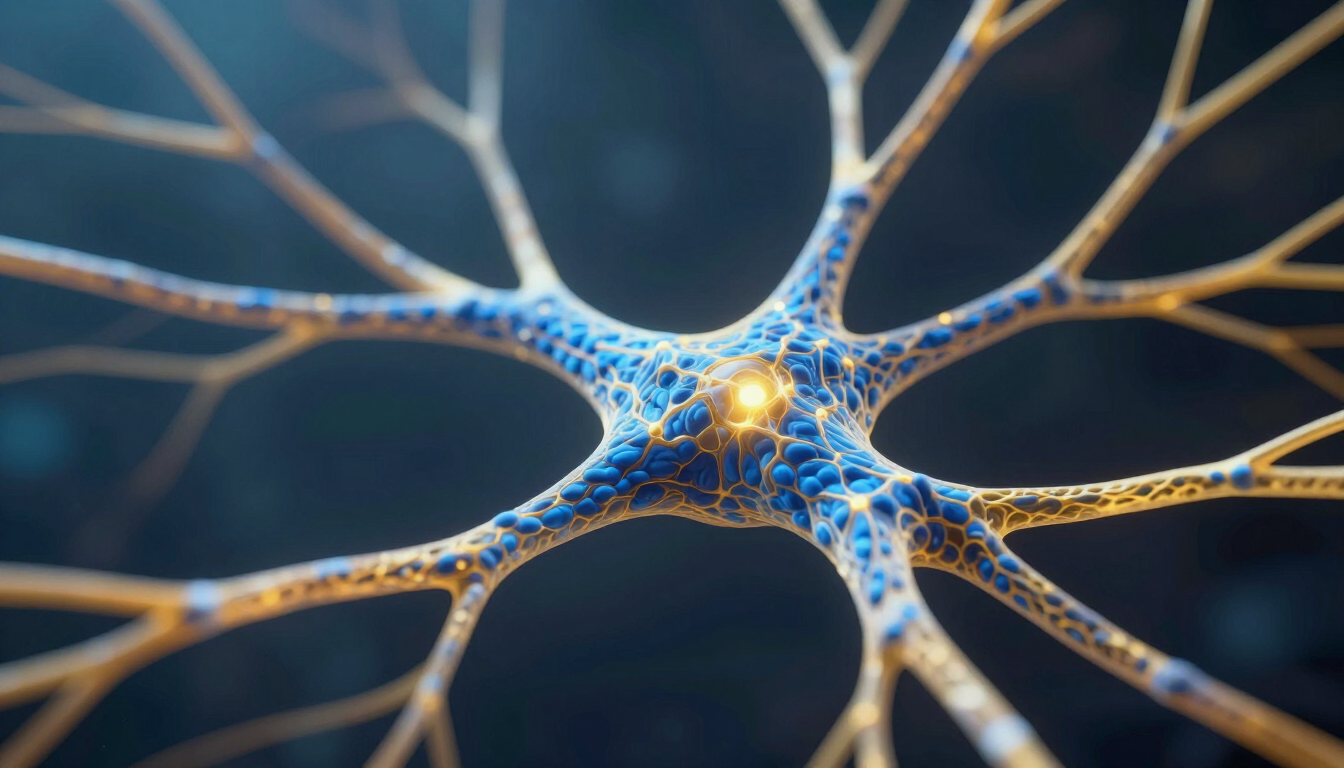
Research using fMRI and EEG technology shows that during hypnosis, the parts of the brain associated with self-consciousness and environmental awareness quiet down, while the areas responsible for imagery and emotional processing become highly active. This allows the brain to "re-code" memories and responses. Once a new neural pathway is established and reinforced through the hypnotic process, the brain naturally prefers this more efficient path.
For example, studies on smoking cessation and weight loss have shown that individuals who utilize hypnotherapy have significantly higher success rates years after treatment compared to those who use willpower alone. This is because the "trigger" (such as stress leading to a cigarette) has been disconnected at the subconscious level. When the root cause is addressed, the symptom does not return. We see these transformations daily in our Testimonials & Results section, where clients share their long-term victories over complex challenges.

Core Benefits of Hypnotic Intervention
The versatility of hypnosis for rapid change makes it a premier choice for high-performers and individuals facing chronic mental hurdles. In a city like Atlanta, where the pace of life can be demanding, having a tool that provides quick and sustainable relief is invaluable.
At Eudiamonia Hypnosis, we apply these techniques to a variety of practice areas:
- Anxiety and Stress Management: Rapidly lowering the nervous system's baseline of arousal.
- Overcoming Imposter Syndrome: Replacing the "fraud" narrative with genuine self-competence.
- Addiction and Habit Breaking: Severing the emotional ties to self-destructive behaviors.
- Performance Enhancement: Sharpening focus for athletes, executives, and artists.
- Depression Support: Shifting the subconscious focus from rumination to agency.
By focusing on the "Rapid" aspect of change, we avoid the years of talk therapy that often only analyze the problem without solving it. Hypnosis is solution-oriented. It doesn't just ask why you feel a certain way; it provides the subconscious with the instructions on how to feel better. This directness is why it has become a staple in modern psychological wellness.
How long does it take to see permanent results?
While the word "rapid" suggests immediacy, it is important to understand what that looks like in a clinical setting. Many clients report a significant shift after just one or two sessions. However, for complex issues like long-term depression or deep-seated trauma, a short series of sessions is often recommended to ensure the new neural pathways are fully integrated and stabilized.
Typically, a program of 3 to 6 sessions can accomplish what might take years in traditional counseling. This is because we are not waiting for the conscious mind to slowly accept change through logic; we are installing the change directly. The permanency of the result depends on the client’s willingness to engage with the process and the therapist's ability to identify the correct subconscious drivers.
If you are ready to stop managing your symptoms and start resolving them, the next step is a consultation. We invite you to reach out through our Contact Us page to discuss your specific goals and how we can facilitate your journey toward a better life.
Summary of Hypnosis for Lasting Transformation
Hypnosis for rapid change stands out as a scientifically backed, highly efficient method for personal transformation. By bypassing the conscious mind's limitations, it allows for a direct re-coding of the subconscious beliefs that drive our daily lives. This process is far more effective than self-affirmations because it operates at a deeper neurological level, creating shifts that are not only fast but also durable.
Key Takeaways:
- Subconscious Focus: Targets the 90% of the mind responsible for habits and emotions.
- Neuroplasticity: Leverages the brain's ability to rewire itself for long-term success.
- Efficiency: Achieves results in weeks that typically take years through other methods.
- Evidence-Based: Supported by fMRI and EEG studies showing permanent brain state changes.
- Holistic Application: Effective for anxiety, addiction, and performance enhancement.
Whether you are looking to overcome a specific hurdle or simply want to optimize your mental performance, hypnosis offers a path to freedom that is both swift and certain. Start your journey toward lasting change today.