
How to Use Hypnosis for Better Sleep at Night
Hypnosis for sleeping better at night is a guided relaxation approach that helps quiet racing thoughts, reduce physical tension, and reshape unhelpful sleep habits. By supporting a calmer nervous system and more restful bedtime routine, hypnotherapy may help people fall asleep more easily and wake feeling more refreshed.
How can hypnosis support better sleep?
Sleep hypnosis uses focused attention, calming suggestions, breathing, and mental imagery to help you move from alertness into relaxation. A hypnotherapist may guide you to notice thoughts without engaging with them, release muscle tension, and associate bedtime with safety and rest.
Hypnosis does not “switch off” your mind or force you to sleep. Instead, it can help reduce the mental and emotional patterns that make sleep difficult, including:
- Worry about the next day
- Replaying conversations or mistakes
- Anxiety about not sleeping
- Irregular bedtime habits
- Physical tension and restlessness
For some people, sleep difficulty is connected to broader concerns such as anxiety, stress, low confidence, or addictive behaviors. Exploring those concerns may make it easier to build lasting improvements. Learn more about available services or read about testimonials and results .

What happens during hypnotherapy for sleep?
A sleep-focused hypnotherapy session is typically conversational and collaborative. You remain aware, can speak with the therapist, and stay in control throughout the process.
A session may include:
- Understanding your sleep pattern: You discuss when sleep problems began, what happens at bedtime, and how poor sleep affects your day.
- Identifying triggers: You and the therapist look for thoughts, routines, stressors, or sensations that keep you alert.
- Guided relaxation: Breathing, body awareness, and calming imagery help reduce physical and mental activation.
- Helpful suggestions: The therapist introduces realistic suggestions supporting confidence, comfort, and a predictable sleep routine.
- Practice between sessions: You may receive relaxation exercises or recommendations for applying the work at home.
The approach can be adapted to your needs. Someone with difficulty falling asleep may focus on racing thoughts, while someone who wakes during the night may work on anxiety and returning to rest.
Benefits and realistic expectations
Hypnosis for sleeping better at night may help you:
- Relax more quickly at bedtime
- Reduce worry about sleep
- Create a stronger bedtime association
- Respond differently to nighttime thoughts
- Support consistent, restorative sleep habits
Results vary. Hypnotherapy is not a guaranteed cure, and improvement may take practice. Your response can depend on the cause of your sleep problem, your willingness to participate, and how consistently you use recommended techniques.
It is also important to consider medical factors. Persistent insomnia, loud snoring, breathing pauses, restless legs, severe daytime fatigue, or sudden changes in sleep should be discussed with a qualified medical professional. Hypnotherapy can complement appropriate healthcare, but it should not replace diagnosis or treatment for a medical sleep disorder.
How do you prepare for a sleep hypnosis session?
A little preparation can help you get more value from your appointment:
- Keep a simple sleep log for several days.
- Note caffeine, alcohol, medications, naps, and screen use.
- Identify the main concern: falling asleep, staying asleep, or waking too early.
- Choose a quiet time when you do not need to drive immediately afterward.
- Bring questions about the process and your goals.
Avoid judging your sleep from one night. Patterns are more useful than isolated experiences. Sharing accurate information also helps your hypnotherapist tailor the session appropriately.
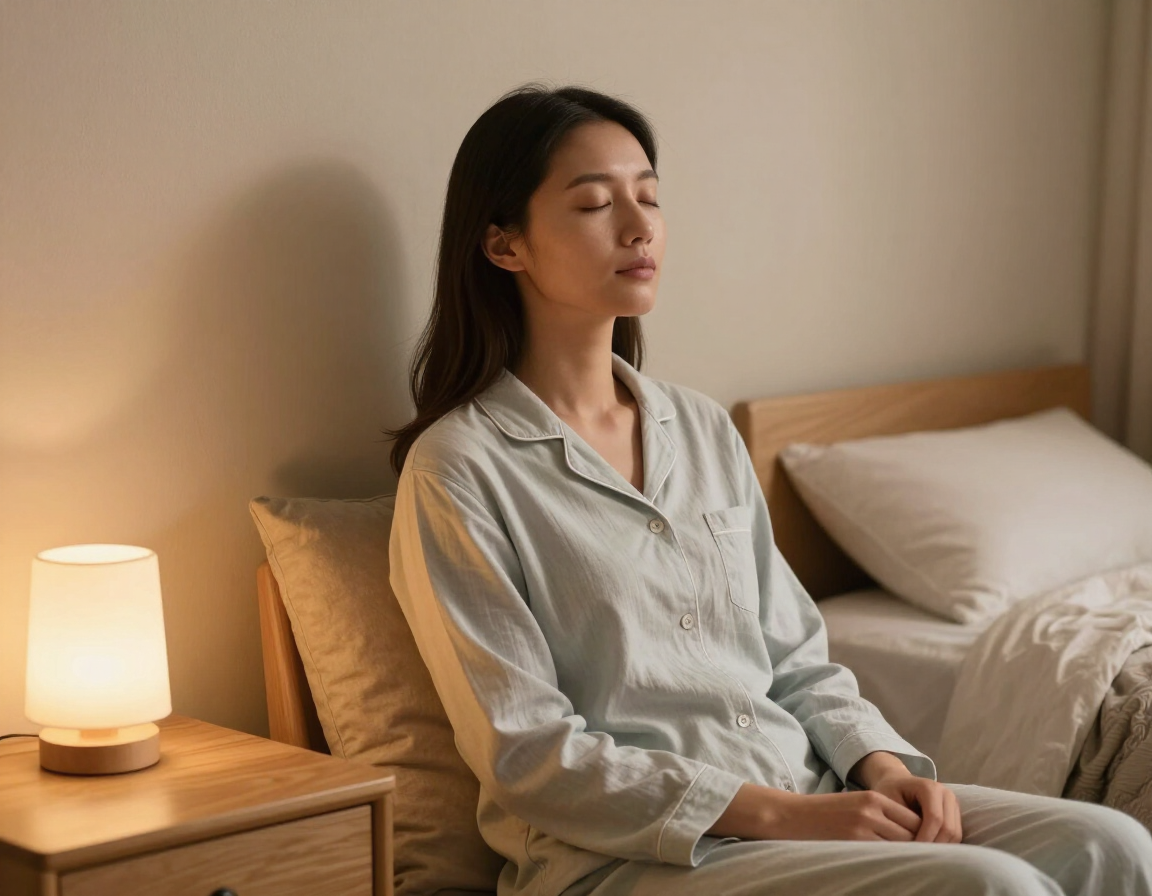
Which sleep habits work well with hypnosis?
Hypnotherapy is often most useful when paired with a consistent routine. Consider these practical habits:
- Keep approximately the same wake time each day.
- Make your bedroom cool, dark, quiet, and comfortable.
- Use the hour before bed for low-stimulation activities.
- Reduce bright screens and emotionally demanding tasks near bedtime.
- Reserve the bed primarily for sleep and relaxation.
Do not try to force sleep. If you remain awake and frustrated, briefly move to a dimly lit space and return when you feel sleepy. The goal is to teach your brain that nighttime is a period of calm rather than performance.
How do you choose a hypnotherapist in Atlanta?
Look for a practitioner who explains the process clearly, listens to your goals, and avoids promising instant or universal results. Ask about experience with sleep concerns, anxiety, and any related issues affecting your rest.
You can review information about Eudiamonia Hypnosis , explore the home page , or contact the practice to discuss whether a consultation fits your needs. During an initial conversation, ask how sleep goals are assessed and how progress is reviewed.
Questions to ask before booking
- What experience do you have with insomnia or nighttime anxiety?
- What should I expect during the first session?
- How will we measure progress?
- Are relaxation exercises provided for home practice?
- When should I seek medical evaluation for my symptoms?

Frequently asked questions
Can hypnosis help with insomnia?
It may help some people reduce the anxiety, tension, and unhelpful thought patterns associated with insomnia. Outcomes vary, and persistent or severe symptoms should also be evaluated by a healthcare professional.
Is sleep hypnosis safe?
Hypnotherapy is generally considered a low-risk approach when provided by a qualified practitioner. You remain aware and can stop or speak at any time. Share relevant health information before beginning.
Will I lose control during hypnosis?
No. Hypnosis is a focused state of attention, not unconsciousness. You can communicate, reject suggestions, and choose whether to participate in an exercise.
How many sessions will I need?
There is no universal number. Your needs, goals, sleep history, and response to practice all influence the process. A practitioner should explain how sessions are structured and when progress will be reviewed.
Key takeaways
Hypnosis for sleeping better at night may be a useful option when stress, racing thoughts, or bedtime anxiety interfere with rest. It works by encouraging relaxation and changing unhelpful sleep associations rather than forcing sleep. Combine hypnotherapy with consistent sleep habits, track patterns, and seek medical guidance for ongoing or unusual symptoms. If you are in the Atlanta area, compare your goals with a qualified practitioner’s approach, then schedule a conversation to decide whether sleep-focused hypnotherapy is appropriate for you.