
How Hypnosis and NLP Heal Trauma (7 Ways in 2026)
Hypnosis and NLP heal trauma by accessing the subconscious mind to reframe distressing memories and regulate the nervous system. These modalities allow individuals to process traumatic events safely, reducing emotional triggers and fostering long-term resilience through neural pathway restructuring and deep therapeutic relaxation for lasting emotional recovery.
Trauma is not just a memory of a past event; it is a physiological and psychological imprint that persists in the body and mind. Traditional approaches often focus on the cognitive, conscious retelling of events. However, for many survivors, trauma resides in the deeper, non-verbal layers of the brain. This is where Eudiamonia Hypnosis steps in, utilizing the potent combination of hypnotherapy and Neuro-Linguistic Programming (NLP) to address these imprints at their source.
What is the connection between hypnosis and trauma recovery?
The connection between hypnosis and trauma recovery lies in the ability to bypass the critical conscious mind. When an individual experiences trauma, the brain's amygdala—the alarm system—becomes hyper-sensitized. This leads to a state of constant high alert, or hyper-vigilance, which makes it difficult to process the event using logic alone. Hypnosis for trauma creates a safe, relaxed state of focused attention where the therapist can speak directly to the subconscious.
In this state, the brain waves slow down to alpha or theta frequencies, which are associated with deep learning and neuroplasticity. By facilitating this state, a hypnotherapist helps the client observe traumatic memories without being overwhelmed by the intense emotional response typically attached to them. This "distancing" is crucial for healing, as it allows the brain to finally file the memory away as a past event rather than a present threat.

How does NLP help reframe traumatic memories?
Neuro-Linguistic Programming, or NLP, focuses on the "software" of the mind. It examines how we organize our thoughts, language, and patterns of behavior to produce specific results. When applied to trauma, NLP provides a toolkit for changing how we internally represent past experiences. Instead of focusing solely on what happened, NLP looks at how you remember it—the size, color, brightness, and volume of the mental image.
One common NLP technique is the "Dissociative Technique" or the "Rewind Technique." In this process, a client is guided to visualize their traumatic memory as if they are watching it on a movie screen from a distance, or even from the projection booth. By changing the sub-modalities—making the image black and white, shrinking it, or adding humorous music—the brain begins to decouple the memory from the intense physiological pain. This doesn't erase the memory, but it neutralizes its power to trigger a panic attack or emotional shutdown.
The Role of the Subconscious in Long-Term Healing
The subconscious mind is the storehouse of all our beliefs, habits, and emotional responses. It is also the protector. After a traumatic event, the subconscious may adopt protective behaviors—such as avoidance, social anxiety, or hyper-vigilance—to ensure that the person is never hurt again. While these behaviors are well-intentioned, they often become maladaptive and prevent the individual from living a full life.
Healing trauma requires convincing the subconscious that the danger has passed. Through hypnotherapy services , we can communicate with this part of the mind to release old protective patterns that are no longer serving a purpose. This process allows for the integration of the traumatic experience, moving it from a fragmented, intrusive image into a coherent narrative that no longer dictates the person's daily emotional state.
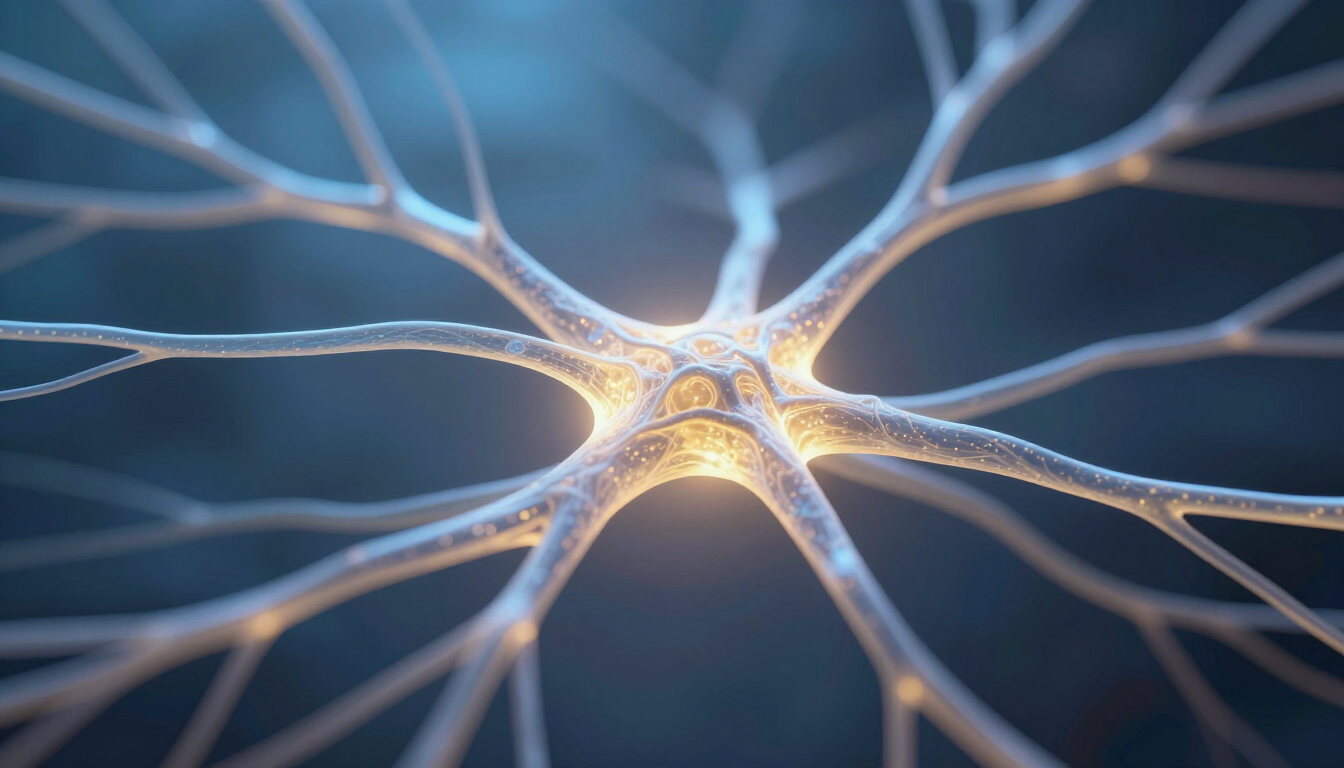
Why is the subconscious mind key to healing trauma?
The subconscious is key because it processes information 500,000 times faster than the conscious mind and controls approximately 95% of our daily lives. Trauma is stored as a "felt sense" or a somatic experience. When you only use talk therapy, you are working with the 5%—the logic. This is why people often say, "I know I'm safe, but I don't feel safe."
By targeting the subconscious through hypnosis for trauma, we address the "feeling" part of the equation. We can update the internal operating system, teaching the nervous system that it is safe to relax. This leads to profound shifts in mood, sleep quality, and the ability to form healthy relationships, as the body is no longer trapped in a survival loop. Understanding this depth is a core part of About our approach at Eudiamonia.
Core Benefits of Combining Hypnotherapy and NLP
When we integrate these two powerful modalities, the results are often faster and more sustainable than using one alone. The synergy between the deep relaxation of hypnosis and the cognitive reframing of NLP creates a comprehensive environment for change.
- Rapid Reduction in Trigger Sensitivity : Clients often report that things that used to cause a level 10 emotional reaction now only cause a level 2 or 3.
- Restoration of the Nervous System : Helps move the body out of "fight or flight" and into "rest and digest."
- Enhanced Self-Efficacy : NLP gives clients practical tools they can use in real-time to manage stress.
- Improved Sleep Patterns : By quieting the subconscious mind, night terrors and insomnia often subside.
- Integration of Fragmented Memories : Helps the brain organize the "broken pieces" of trauma into a manageable past.
Managing Emotional Triggers Through Neurological Repatterning
Neurological repatterning is the process of building new pathways in the brain. Think of trauma like a deep rut in a dirt road; every time a trigger occurs, your thoughts automatically fall into that rut. NLP and hypnosis act as the tools to pave a new road—a smoother, calmer path. Through repeated suggestion and visualization, we can train the brain to respond with calm rather than chaos when faced with old triggers.

Is hypnosis safe for survivors of complex trauma?
Yes, hypnosis is remarkably safe when conducted by a trained professional who understands the nuances of complex trauma. The primary concern for trauma survivors is often a fear of losing control. However, hypnosis is actually a state of increased control and heightened awareness. The client is always in the driver's seat; the therapist is simply the navigator.
In our practice, we prioritize safety and stabilization before diving into deep trauma work. We ensure the client has the internal resources and "safe spaces" established within their mind before addressing the heavier aspects of their past. This prevents re-traumatization and ensures that the healing process remains empowering rather than overwhelming. Many clients find that this sense of agency is one of the most healing aspects of the entire process.
Taking the First Step Toward Lasting Emotional Freedom
Healing from trauma is a journey, and it requires a methodology that respects both the mind and the body. By combining the precision of Neuro-Linguistic Programming with the depth of hypnotherapy, we provide a holistic path toward recovery that transcends traditional talk therapy. Whether you are dealing with a single incident or years of complex trauma, your brain has the inherent capacity to heal and rewire itself for peace.
If you are ready to stop living in the shadow of your past and start building a future defined by resilience and joy, we are here to support you. Contact us today to discuss how a personalized plan can help you reclaim your life. You don't have to carry the weight of trauma forever; emotional freedom is possible.
Summary of Trauma Healing with Hypnosis and NLP
Hypnosis and NLP provide a powerful, evidence-based approach to trauma recovery by targeting the subconscious mind where traumatic imprints reside. By reframing memories through NLP and regulating the nervous system through hypnosis, survivors can achieve rapid relief from triggers and long-term emotional stability. This combined approach is particularly effective because it addresses the physiological, emotional, and cognitive aspects of trauma simultaneously. To begin your healing journey, evaluate your current triggers and consider a consultation to see how these modalities can specifically support your unique path to resilience. Take the next step toward a calmer, more present life today.