
How NLP Resolves Phobias & Fears (in 2026)
NLP for phobias works by desensitizing the brain’s traumatic response to specific triggers. By using visualization and language patterns, Neuro-Linguistic Programming disconnects the intense emotional charge from the memory or thought, allowing the individual to remain calm and objective when facing previously fearful situations or stimuli.
How do phobias and fears work in the brain?
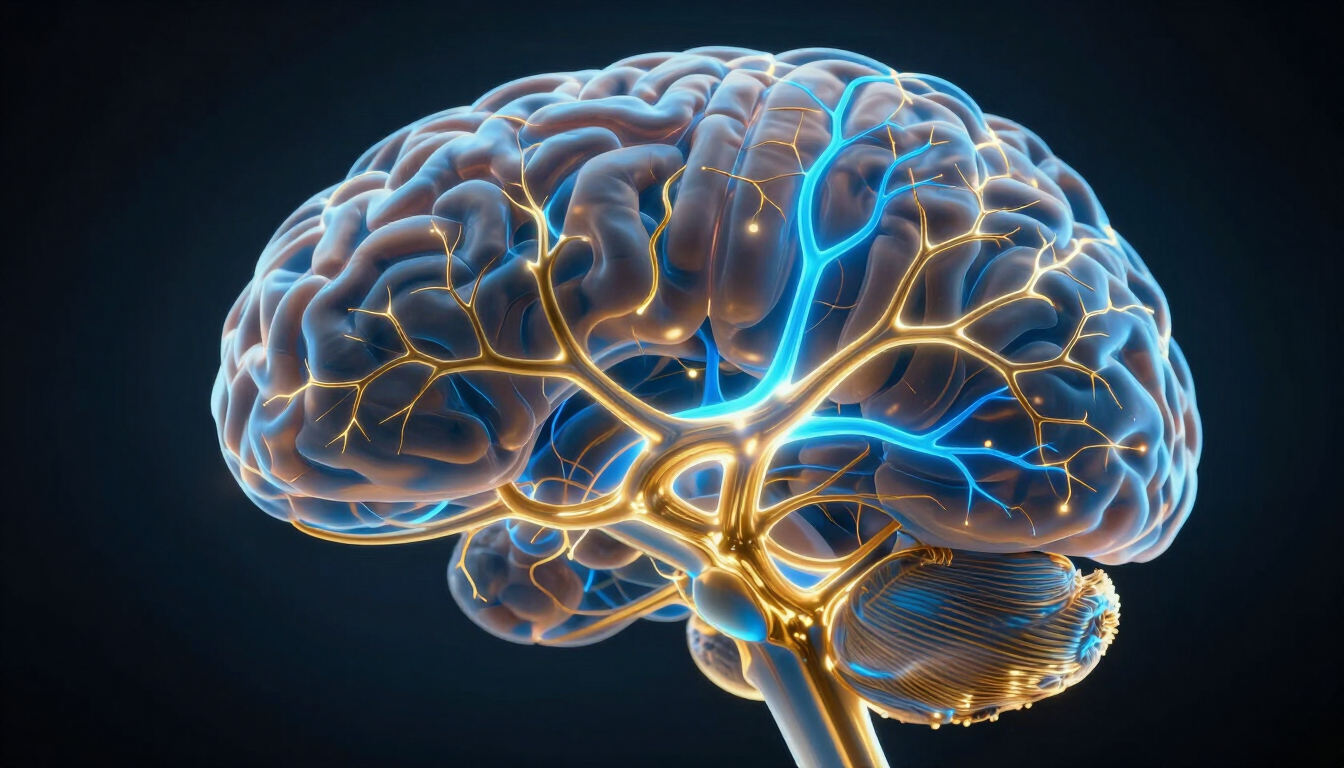
To understand how to resolve a phobia, we must first understand the biological machinery behind it. At the center of the fear response is the amygdala, a small, almond-shaped cluster in the brain's temporal lobe. The amygdala acts as an internal alarm system, scanning the environment for threats. When it detects something it perceives as dangerous—whether that is a spider, a high-altitude flight, or a public speaking engagement—it triggers the "fight-or-flight" response. This flood of adrenaline and cortisol prepares the body for survival, but in the case of a phobia, this alarm is miscalibrated.
Phobias are essentially learned associations. At some point, usually during childhood or a period of high stress, the brain experienced a specific stimulus (like a dog barking) and paired it with a high-intensity emotional state (terror). The brain, in its attempt to protect you, records this association as a permanent warning. Every time you encounter that stimulus thereafter, the amygdala bypasses the logical prefrontal cortex and sends you straight into a panic. This is why you cannot simply "reason" your way out of a phobia; the response happens at a level far deeper than conscious thought. At Eudiamonia Hypnosis , we focus on communicating directly with these subconscious structures to reset that alarm.
What is Neuro-Linguistic Programming (NLP)?
Neuro-Linguistic Programming, or NLP, is a psychological approach that involves analyzing strategies used by successful individuals and applying them to reach a personal goal. It relates thoughts, language, and patterns of behavior learned through experience to specific outcomes. In the context of phobias, NLP treats the fear not as a permanent personality trait, but as a "program" that the brain is running. If a program can be installed, it can also be updated or uninstalled.
NLP practitioners look at the "sub-modalities" of a thought—how you represent the fear in your mind. Is the image of the fear large or small? Is it in color or black and white? Is it a movie or a still photograph? By changing these internal representations, we can change the emotional impact they have on us. This method is highly effective because it focuses on the structure of the experience rather than just the content of the memory.
Core NLP Techniques for Phobia Relief
There are several pillars of NLP that are particularly effective for rapid phobia resolution. These techniques allow a person to observe their fear from a safe distance, effectively "rewiring" the neural connection between the trigger and the panic response. When combined with professional guidance, these tools can provide relief in just a few sessions.
- The Rewind Technique (Fast Phobia Cure): This involves visualizing the fearful event as if watching it on a movie screen from a projection booth, then running the movie backward at high speed.
- Anchoring: This creates a physical trigger (like touching two fingers together) that is associated with a state of extreme calm and confidence to counteract anxiety.
- Reframing: This shifts the perspective of the fear, changing the "meaning" the brain assigns to a specific situation.
- Dissociation: Learning to see oneself in the situation from a third-person perspective, which naturally reduces the emotional intensity.
- Future Pacing: Mentally rehearsing a successful, calm encounter with the former trigger to solidify the new neural pathway.
How to overcome fear of driving with NLP?
The fear of driving, or amaxophobia, is common, especially in high-traffic environments like Atlanta, GA. This fear often stems from a past accident or a general feeling of losing control. When a person with a driving phobia gets behind the wheel, their brain is flooded with "what-if" scenarios—crashing, being trapped, or losing control of the vehicle. NLP addresses this by breaking the loop of catastrophic visualization.
During our Services , we work with clients to replace these internal movies of disaster with more neutral or positive outcomes. By using the dissociation technique, the client can "watch" themselves driving calmly on I-85 or the Downtown Connector from a detached perspective. This allows the nervous system to realize that the act of driving is a skill rather than a constant life-or-death struggle. The goal isn't to make the driver reckless, but to return them to a state of "competent alertness" where they can respond to traffic safely without the paralyzing grip of panic.
Can NLP help with the fear of flying?
Aerophobia, the fear of flying, is unique because it often involves a combination of several fears: claustrophobia (being trapped), acrophobia (heights), and a lack of control. For many, the anxiety begins weeks before the actual flight. NLP is exceptionally powerful here because it can target the "anticipatory anxiety." We use techniques like the "Swish Pattern" to intercept the moment the brain starts to create a fearful thought about the flight and automatically redirect it toward a feeling of arriving safely at the destination.

Many clients report that after NLP, the sounds of the plane—engines humming, landing gear retracting—which used to trigger panic, now simply become background noise. By changing the internal "soundtrack" and visual representation of the flight, the passenger can remain relaxed throughout the journey. This transformation is one of the most common success stories we see in our Testimonials & Results .
NLP Strategies for Imposter Syndrome
While not always classified as a traditional phobia, Imposter Syndrome functions very similarly to one. It is essentially a "phobia of being found out." It is the persistent fear that despite your accomplishments, you are a fraud and will eventually be exposed. This fear is incredibly common among high-achievers in professional settings. In NLP, we view Imposter Syndrome as a conflict between your internal self-image and your external reality.
To resolve this, we use a technique called "Parts Integration." Often, there is a "part" of the individual that is trying to keep them humble or safe from criticism, but it is doing so in a way that is self-sabotaging. By identifying the positive intention of that internal critic and aligning it with the person’s actual skills and achievements, the feelings of being an "imposter" vanish. We also focus on internal dialogue; by changing the tone and volume of the inner critical voice, we can strip it of its power, allowing the individual to own their success with genuine confidence.
The Science Behind Rapid Neural Change
The reason NLP works so efficiently—often much faster than traditional talk therapy—is due to neuroplasticity. Neuroplasticity is the brain's ability to reorganize itself by forming new neural connections throughout life. When we perform an NLP exercise, we are not just talking about the problem; we are actively engaging the brain's sensory systems to create a new experience. This "experience" tells the brain that the old fear-based response is no longer necessary.
Because the brain cannot easily distinguish between a vividly imagined experience and a real one, the NLP process provides a safe environment for the brain to learn that the trigger (flying, driving, or public speaking) does not result in harm. Once the brain "learns" this new safety at a subconscious level, the phobia simply ceases to exist. It is a process of unlearning an old, faulty survival mechanism and replacing it with a functional one.
Why choose Eudiamonia Hypnosis in Atlanta?
Located in the heart of Atlanta, GA, Eudiamonia Hypnosis specializes in combining NLP with clinical hypnotherapy to provide a comprehensive approach to mental well-being. We understand that every individual's fear is unique, rooted in their own personal history and neurological wiring. Our sessions are tailored to your specific triggers and goals, ensuring that the changes you make are both deep and lasting.
Whether you are struggling with a lifelong phobia or the modern pressures of professional imposter syndrome, we provide a professional, informative, and compassionate environment for your transformation. We don't just help you "manage" your fear; we help you move beyond it entirely. If you are ready to reclaim your life from the grip of anxiety, the first step is understanding that change is possible.
Conclusion: Taking Control of Your Mind
Phobias and deep-seated fears do not have to be a life sentence. By understanding the neurological basis of fear and utilizing the targeted techniques of Neuro-Linguistic Programming, you can reprogram your brain's response to any trigger. Whether you are navigating the busy streets of Atlanta, boarding a long-haul flight, or stepping into a boardroom, NLP provides the tools to remain calm, focused, and in control.
Key Takeaways for Overcoming Fear:
- Recognize the Trigger: Understand that your fear is a misaligned survival response, not a personal failing.
- Utilize Dissociation: Practice seeing yourself in the fearful situation from a distance to lower emotional intensity.
- Rewrite the Script: Use NLP visualization to change how your brain represents the fear (e.g., shrinking the image or changing the colors).
- Seek Professional Guidance: Work with an expert at Eudiamonia Hypnosis to ensure techniques are applied correctly for lasting change.
- Commit to New Pathways: Consistency in these mental exercises reinforces the new, calm neural connections.
If you are ready to start your journey toward a life free from phobias, Contact Us today to schedule a consultation.